
📅 Updated · July 2026
Benzodiazepines are among the most commonly prescribed medications in the world. Millions of people take them for anxiety, insomnia, panic disorders, and seizures. Drugs like Xanax, Klonopin, Valium, and Ativan have become household names—and for many, they are lifesaving.
But beneath the surface of this widely used class of drugs lies a hidden epidemic. It’s not about the drugs themselves—it’s about how they’re prescribed, how they’re used, and how they’re misunderstood. The epidemic is one of dependence, withdrawal, and silent suffering that often goes unnoticed until it’s too late.
The Scope of the Epidemic
Benzodiazepine prescriptions have risen dramatically over the past two decades. In the United States alone, more than 30 million people have used a benzodiazepine in the past year. The number of prescriptions written annually exceeds 100 million.
While these drugs are intended for short-term use—typically two to four weeks—many patients end up taking them for months or even years. This is not because the drugs stop working, but because patients develop tolerance and experience withdrawal when they try to stop.
Benzodiazepine-related emergency department visits have more than tripled since the early 2000s. Overdose deaths involving benzodiazepines have increased by over 300% during the same period. These numbers are even more alarming when combined with opioids, as the combination significantly increases the risk of fatal overdose.
How Did We Get Here?
The story of the benzodiazepine epidemic is one of good intentions gone wrong. In the 1960s, benzodiazepines were hailed as a revolutionary treatment for anxiety—a safer alternative to barbiturates. They were heavily marketed as non-addictive and safe for long-term use.
It took decades for the medical community to realize that this was not true. As early as the 1970s, studies began to emerge showing that benzodiazepines could cause physical dependence. Yet, prescribing practices didn’t change. The drugs were already too ingrained in medical practice.
Today, many doctors continue to prescribe benzodiazepines for long-term use, despite guidelines recommending against it. Patients are often unaware of the risks and are not given clear guidance on how to safely taper off.

The Marketing Influence
Pharmaceutical companies played a significant role in promoting benzodiazepines. Aggressive marketing campaigns in the 1980s and 1990s targeted both doctors and patients, often downplaying the risks of dependence and withdrawal. This marketing was so effective that benzodiazepines became a default treatment for anxiety and insomnia, even when non-pharmacological approaches would have been more appropriate.
The Science of Dependence and Withdrawal
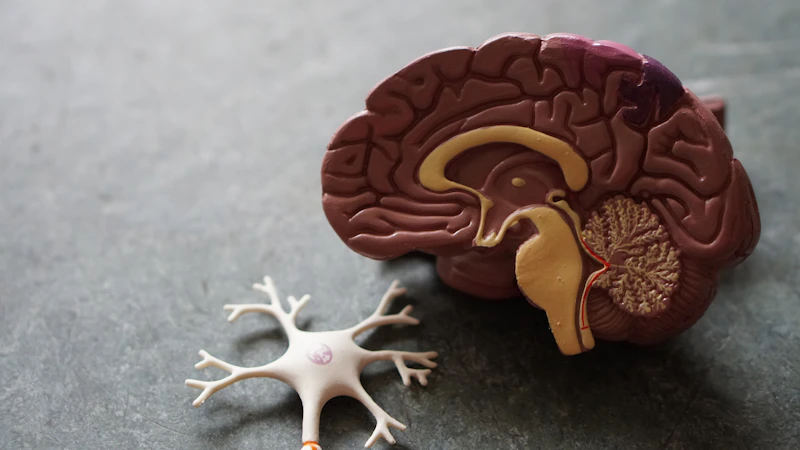
Benzodiazepines work by enhancing the effects of GABA, the brain’s primary inhibitory neurotransmitter. Over time, the brain adapts to the presence of the drug by reducing its own GABA activity. When the drug is withdrawn, the brain is left in a state of hyperexcitability.
This withdrawal is not just uncomfortable—it can be dangerous. Symptoms can include:
- Rebound anxiety—often much worse than the original condition
- Insomnia—extreme difficulty sleeping
- Panic attacks
- Depression and suicidal thoughts
- Muscle pain and stiffness
- Seizures—which can be life-threatening
- Psychosis—in rare cases
Withdrawal from benzodiazepines can last for months or even years. This condition is known as protracted withdrawal syndrome, and it affects a significant number of people who have taken benzodiazepines long-term.
The Ashton Protocol
Dr. Heather Ashton, a British psychiatrist, developed a comprehensive manual for tapering off benzodiazepines. Her Ashton Protocol is considered the gold standard for withdrawal management. It involves a slow, gradual taper, often over several months, using a longer-acting benzodiazepine like diazepam to smooth out withdrawal symptoms.
The protocol emphasizes that each patient’s taper should be individualized, and that symptoms should be managed with supportive care rather than rushing the process.
Who Is Most at Risk?
Certain populations are more vulnerable to the risks of benzodiazepine dependence and withdrawal:
- Elderly patients: They are more sensitive to the cognitive and motor effects of benzodiazepines and are at higher risk of falls and fractures.
- Patients with a history of substance use disorder: They are more likely to misuse benzodiazepines or combine them with other substances.
- Patients with mental health conditions: Those with depression, PTSD, or other anxiety disorders may be more susceptible to dependence.
- Women: Women are prescribed benzodiazepines at higher rates than men and may be more vulnerable to dependence.
- Patients taking opioids: The combination of benzodiazepines and opioids significantly increases the risk of fatal overdose.
The Hidden Toll on Mental Health
Benzodiazepines are often prescribed to treat anxiety, but long-term use can actually worsen anxiety. This is called rebound anxiety—a phenomenon where withdrawal symptoms include anxiety that is more severe than the original condition.
Patients may also experience depression, apathy, and cognitive decline after long-term use. These symptoms are sometimes misdiagnosed as a return of the original condition, leading to even more prescriptions.

Why Is the Epidemic Hidden?
The benzodiazepine epidemic is hidden because it doesn’t fit the typical narrative of drug abuse. Most patients are not taking these drugs recreationally; they are following their doctor’s orders. And the withdrawal can be so gradual and insidious that patients may not even realize they are dependent.
Many patients have been on benzodiazepines for decades. They don’t know any other way of functioning. They may have tried to stop and failed, or they may have been told that they need to be on the medication for life.
Doctors are often unaware of the risks, or they may be reluctant to taper patients because of the time and effort required. The healthcare system is not set up to support long-term withdrawal management.
What Can Be Done?
For Patients:
- Educate yourself: Learn about the risks of benzodiazepines before starting them. If you’re already on them, research the Ashton Protocol and other withdrawal strategies.
- Talk to your doctor: Discuss your concerns and ask about a gradual taper plan. If your doctor is not supportive, consider seeking a second opinion.
- Don’t stop abruptly: Going cold turkey can be dangerous and can lead to severe withdrawal symptoms. Always taper under medical supervision.
- Seek support: There are support groups and online communities for people going through benzodiazepine withdrawal. You don’t have to suffer alone.
For Healthcare Providers:
- Screen patients carefully: Identify those at risk of dependence before prescribing benzodiazepines.
- Limit prescriptions: Reserve benzodiazepines for short-term use and avoid prescribing them for chronic conditions.
- Educate patients: Make sure patients understand the risks and know that benzodiazepines are not a long-term solution.
- Learn about withdrawal: Familiarize yourself with the Ashton Protocol and other evidence-based strategies for tapering patients off benzodiazepines.
Alternatives to Benzodiazepines
There are effective alternatives to benzodiazepines for treating anxiety, insomnia, and other conditions:
- SSRIs and SNRIs: These antidepressants are often effective for anxiety and depression and are not habit-forming.
- Cognitive Behavioral Therapy (CBT): CBT is a highly effective, non-pharmacological treatment for anxiety and insomnia.
- CBT-I: Cognitive Behavioral Therapy for Insomnia is the gold standard for treating insomnia.
- Mindfulness and relaxation techniques: These can be effective for managing anxiety without medication.
- Other medications: Buspirone, hydroxyzine, and other non-benzodiazepine medications may be effective for some patients.

Final Thoughts: Breaking the Silence
The benzodiazepine epidemic is a tragedy of our own making. It’s a tragedy fueled by good intentions, aggressive marketing, and a medical system that has failed to keep up with the evidence.
But the story is not over. By raising awareness, educating patients and providers, and advocating for better prescribing practices, we can turn the tide. We can help patients safely taper off benzodiazepines and find healthier, more sustainable ways to manage their conditions.
The hidden epidemic can only be addressed if we bring it into the light. If you or someone you know is struggling with benzodiazepine dependence, know that you are not alone—and that help is available.
Remember: The goal is not to demonize benzodiazepines, but to use them more wisely. They are valuable tools when used appropriately, but they are not a cure-all. The best treatment is the one that works best for you—with the fewest risks and the most benefits.
⭐ Trusted Pharmacy
🚚 Fast Shipping
💊 Xanax (Alprazolam)
2mg
⚡ For anxiety & panic disorders · FDA-approved · Genuine medication
180 Pills
🔒 Encrypted payment
📦 Discreet shipping
⚕️ Prescription required. Always consult your doctor before use.
🛡️ FDA-approved · Licensed pharmacy
BuyYourStuff.us – Genuine medications
The Ashton Manual – Benzodiazepine withdrawal
FDA – Benzodiazepine safety
📚 Related articles
🔗 Need help with benzodiazepine dependence?
🛒 Explore Our Products
View our complete range of genuine medications
